

How Innovation Is Changing the Way a Removal Company in Manchester Works
Moving House, Moving Forward
Moving house in Manchester is not always easy. Busy roads, tight schedules and narrow streets can make the process stressful. However, new technology and smarter working methods are helping removal companies make moving day simpler, faster and more reliable. For customers looking for a modern service, removalcompanymanchester.com reflects the growing importance of combining traditional removal expertise with innovative solutions.
Smarter Planning Before Moving Day
A successful move starts long before the first box is lifted. Traditionally, customers might have relied on phone calls, paper lists and rough estimates of how much space their belongings would take up.
Now, digital tools can make the process far more straightforward.
Online booking forms, video surveys and digital inventories can help removal teams understand what needs moving before they arrive. Customers may be able to show their home through a video call, helping the company estimate the size of the job and the equipment required.
This can save time for everyone. It also helps reduce the chance of arriving on moving day without enough staff, packing materials or van space.
For a busy removal company in Manchester, better planning means fewer delays and a smoother service. For customers, it means less guesswork.

Using Technology to Beat Manchester Traffic
Anyone who’s driven through Manchester city centre knows that traffic can turn a short journey into a long one. Add roadworks, busy shopping streets and limited parking, and moving day can become complicated.
That’s where smarter route planning comes in.
Digital mapping tools can help drivers plan journeys around traffic conditions, road restrictions and suitable access points. Some systems also allow businesses to organise several jobs more efficiently, cutting unnecessary travel between locations.
Better planning can mean less time on the road and fewer delays for customers waiting at their new property.
There’s an environmental benefit, too. Reducing unnecessary mileage can lower fuel use and help limit a company’s transport emissions. It’s a practical improvement that can benefit the business, its customers and the local area.
These changes also reflect Manchester’s wider efforts to improve transport and reduce emissions, as outlined in the council’s approach to cleaner, more sustainable transport.
Better Communication, Fewer Surprises
One of the biggest worries during a move is not knowing what’s happening. Will the team arrive on time? Has everything been loaded? What happens if the schedule changes?
Modern customer service tools can help answer these questions.
Email confirmations, text updates and digital job schedules make it easier to keep customers informed. A removal company can also use digital checklists to track important tasks, from protecting furniture to checking that the property has been cleared.
These changes might sound small, but they can make a real difference. Customers don’t expect moving day to be perfect. They do want clear information and a team they can trust.
Good communication is an innovation in its own right, especially when it removes unnecessary stress.
Protecting Belongings With Better Equipment
Technology isn’t only about screens and software. Innovation can also mean improving the tools used on the job.
Modern furniture covers, stronger reusable crates, lifting equipment and purpose-built trolleys can help protect belongings and make heavy items easier to handle. For office relocations, digital inventories can help teams keep track of computers, desks and other essential equipment.
Reusable packing materials can also reduce waste when they’re suitable for the job. Rather than relying on large amounts of single-use packaging, removal teams can look for ways to protect items while making better use of their supplies.
These improvements help create a more organised service, while supporting safer working methods for staff.

The Future of Removals in Manchester
Innovation doesn’t have to mean replacing experienced movers with machines or filling every van with expensive technology. Often, the biggest gains come from combining skilled staff with useful tools.
A removal company in Manchester that invests in better planning, clear communication and efficient transport can offer a service that fits modern customer needs. As more people expect to book services online and receive updates quickly, these changes are becoming increasingly valuable.
The removals industry may be built around a traditional task, but there’s plenty of room for fresh ideas.
Moving Towards a Better Service
Every move is different. A family leaving a flat in Salford will have different needs from a business relocating its office in central Manchester. The best removal services recognise those differences and use the right methods for each job.
By embracing practical innovation, removal companies can save time, protect belongings and make moving day less stressful.
In the end, progress isn’t just about getting a van from A to B. It’s about making the whole journey better for the people who depend on it.

What a Garage Conversion Can Teach Us About Customer Profitability
Most people think customer profitability begins with spreadsheets.
Margins. Acquisition costs. Retention rates. Lifetime value. Those terms usually take centre stage in business conversations, and fair enough—they matter. Even garage conversion builders in Birmingham think about them when pricing up projects and deciding which jobs make sense to take on. But sometimes the clearest explanation appears somewhere unexpected.
A garage conversion is one of those places.
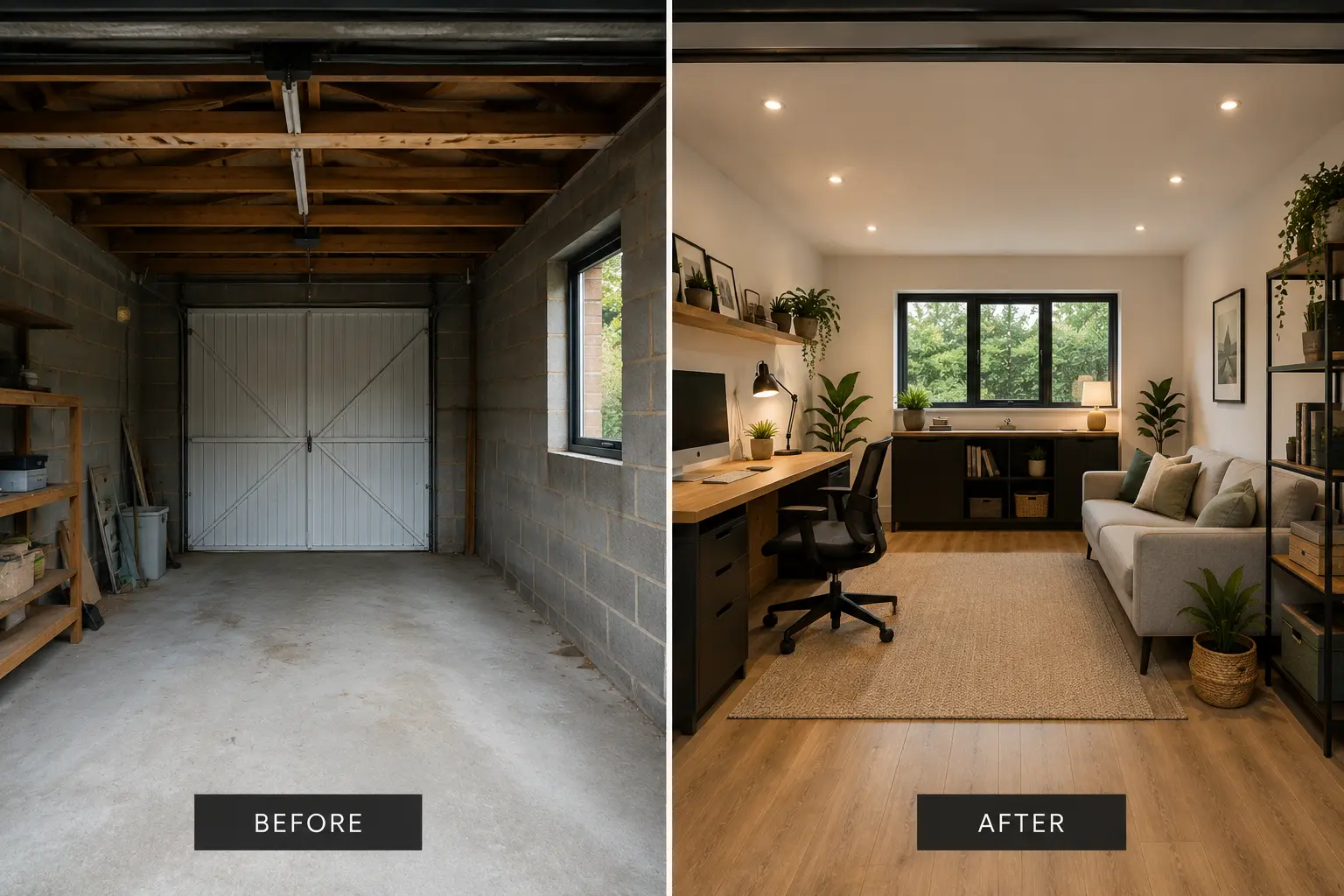
At first glance, garage conversions seem simple. There’s unused space, a plan, a builder, some dust, a few difficult decisions about sockets and insulation, and eventually a finished room. Yet anyone who’s worked with builders in Birmingham knows the reality is less tidy than that.
Some projects become smooth, profitable jobs. Others quietly drain time, energy, and resources long before the plaster dries.
Customer profitability works in much the same way.

Not Every Empty Garage Becomes the Right Room
Here’s the thing.
When a homeowner contacts a garage conversion company, the obvious question is usually: How much is this project worth?
The better question might be: What will this project actually cost to deliver well?
A straightforward single garage conversion with clear requirements and realistic expectations often creates healthy returns. Communication stays easy. Timelines stay sensible. Referrals follow.
But then there’s the opposite scenario.
Constant revisions. Delayed decisions. Scope changes every other week. Extra site visits. Endless emails sent at 10:47pm with “just one more thing.”
Revenue can look healthy on paper while profit quietly disappears.
Businesses experience the same thing with customers.
A large account isn’t automatically a profitable account.
The Birmingham Lesson: Build the Right Space for the Right Person
Garage conversion builders in Birmingham operate in a competitive market. Homeowners want more from existing space—home offices, gyms, snug rooms, rental spaces, places for teenagers who suddenly seem to need twice the square footage.
And because demand exists, there’s always pressure to say yes.
But experienced firms learn something useful: selective growth beats chaotic growth.
That sounds contradictory, doesn’t it? Grow by saying no?
A little, yes.
But profitable companies understand fit.
They ask questions early:
- Is the brief realistic?
- Does the budget match expectations?
- Will communication stay manageable?
- Could this become repeat business or referrals?
Customer profitability works the same way. The most valuable customer isn’t always the one spending the most. Sometimes it’s the customer who buys consistently, communicates clearly, pays on time, and creates almost no operational friction.
That combination is gold.
The Hidden Cost Nobody Sees
Think about converting a garage.
You can’t see insulation once the walls close. You rarely notice structural preparation after the paint goes on. Yet those hidden elements decide whether the room feels warm and solid years later.
Business has invisible costs too.
Support calls.
Extra meetings.
Discount requests.
Internal admin.
Little things pile up. Not dramatically—just steadily, quietly.
And suddenly a customer who looked brilliant in a sales report becomes less attractive when viewed through a profitability lens.
You know what? Most companies already sense this instinctively. They know which customers energise the team and which ones create collective sighs every time a new email arrives.
Data simply confirms what people often already feel.
Build Relationships Like You Build Rooms
Garage conversions aren’t really about garages.
They’re about making space useful.
Customer profitability isn’t really about spreadsheets either. It’s about creating business relationships that generate value without creating unnecessary strain.
The strongest garage conversion businesses in Birmingham understand that balance. They build carefully, plan properly, and leave enough room for growth without stretching every wall.
Businesses can borrow that thinking.
Not every lead becomes a project.
Not every customer becomes profitable.
And oddly enough, that’s not a problem—it’s often the point.

How Profitability Management Drives Long-Term Business Growth
Profitability management is a discipline which involves tracking, analysing and optimising a company’s profits in order to ensure its sustainable growth. It is not just about revenue; it’s about the effective use of the business to generate profit, manage expenses, and allocate resources. High revenue enterprises can face cash flow, reinvestment and long-term survival problems, without good profitability management. If you do it well, profitability becomes the fuel that drives consistent and scalable growth.
Clarifying What Profitability Really Means
Profitability does not equal revenue. High sales and low or even negative profits are possible for a business if costs are not managed or pricing is inadequate. Profitability management measures margins, gross, operating and net, and looks at products, services, customers and channels that make the profit. Knowing where the money is being generated can help leaders make better decisions on where to invest, scale and cut or restructure.
Improving Cost Efficiency Without Sacrificing Quality

Profitability management is a process that detects waste, redundant processes and low return activities. It puts businesses under pressure to seek better terms from suppliers, cut down on wasteful overheads and streamline processes. The objective, however, is not to trivially throw money at costs, but to maximize spend and make sure that every dollar spent is generating revenue or customer value. This balanced approach ensures the quality of services and products, and at the same time it offers increased margins, creating a more solid financial basis for the company in the long run.
Smarter Pricing and Product Decisions
Profitability analysis is used to determine the profitability of a company and helps them establish the appropriate price for their product. It can show you what products or services you are overpricing, what products or services you are underpricing, and what products or services are not worth the marketing effort. Businesses can maximize their profits without necessarily boosting sales by concentrating on high margin products and refining or eliminating low margin products. This is a strategy of pricing and portfolio management that helps to ensure more stable and predictable growth, not growth at any cost.
Strengthening Cash Flow and Reinvestment Capacity
Healthy profits create cash to invest in the business, whether that’s to hire people, buy in new technology, enter new markets or new products. Profitability management will see that growth is funded by internal profit and not too much debt. This mitigates financial risk and provides flexibility in the business to take advantage of opportunities that may arise in economic downturns. Well managed companies can grow with greater confidence, as they don’t have to worry about cash crunch or thin margins.
Building Resilience and Investor Confidence

Predictable profits are indicative of stability and proficiency for investors, creditors, and partners. It simplifies the way to obtain financing on favorable terms, to attract the finest employees, and to better negotiate with suppliers. They also develop confidence in their own leadership by having a good history of profitable growth, which enables them to make better, more strategic decisions. During tough times, the profitable businesses have the greater chance of continuing to thrive, adjust to the challenges, and even expand their market share compared to the less successful businesses.
Creating a Culture of Financial Discipline
LT profitability management is not only a finance job, it impacts company culture. When teams are aware of the impact on margins, cost and customer value, they make better decisions on a day-to-day basis. This culture of accountability and efficiency fosters innovative, creative, and cost-effective solutions. This mentality slowly can become the competitive advantage, making profits more of an ingrained habit than a one-time success.
In the end, profitability management is about long-term growth for the business through strategy, operations and finance, all focused on sustainable value creation. It guarantees that growth is not only larger but stronger, more resilient and sustainable, and can withstand market fluctuations and economic cycles.